You don’t need expensive toys to develop your child’s brain. Simple daily activities can make a big difference.
Here are 5 easy activities you can try at home:
- 1. Sorting & Matching: Give your child objects to sort by color or shape. This improves thinking and observation skills.
- 2. Playdough Play: Rolling, pressing, and shaping playdough strengthens fine motor skills and creativity.
- 3. Sound Games: Ask your child to identify sounds (clapping, tapping, animal sounds). This builds listening and focus.
- 4. Story Time: Reading daily improves language, imagination, and bonding.
- 5. Sensory Play: Let children explore textures like rice, sand, or water. This enhances brain connections. The benefits of sensory play go beyond fun: children practice focus, hand control and new words while they pour and squeeze. Always supervise, and keep small items away from under-3s.
More Activities for Toddlers at Home
These need almost nothing:
- Pretend play: a tea party or a toy shop builds language and empathy.
- Obstacle course: pillows to climb over and a rope to walk along build balance.
- Singing and rhymes: pause before the last word and let your child fill it in.
- Water pouring: cups and a bowl teach early math and hand control.
- Nature walk: collect leaves and stones, then sort them at home.
How Often, and How to Adapt by Age
Short and regular beats long and rare. Five to ten minutes of focused play once or twice a day is enough for a toddler. Stop while your child is still enjoying it, and follow their lead: repetition is how young brains build strong connections.
- Around 1 to 2 years: name objects, roll a ball, sing the same songs and offer safe textures to touch.
- Around 2 to 3 years: add choices and tiny jobs, such as sorting two colors or helping pour water.
- Around 3 to 5 years: add stories, pretend play, simple puzzles and counting games that make play based learning feel natural.
These are typical ranges, not rules. Every child develops at their own pace.
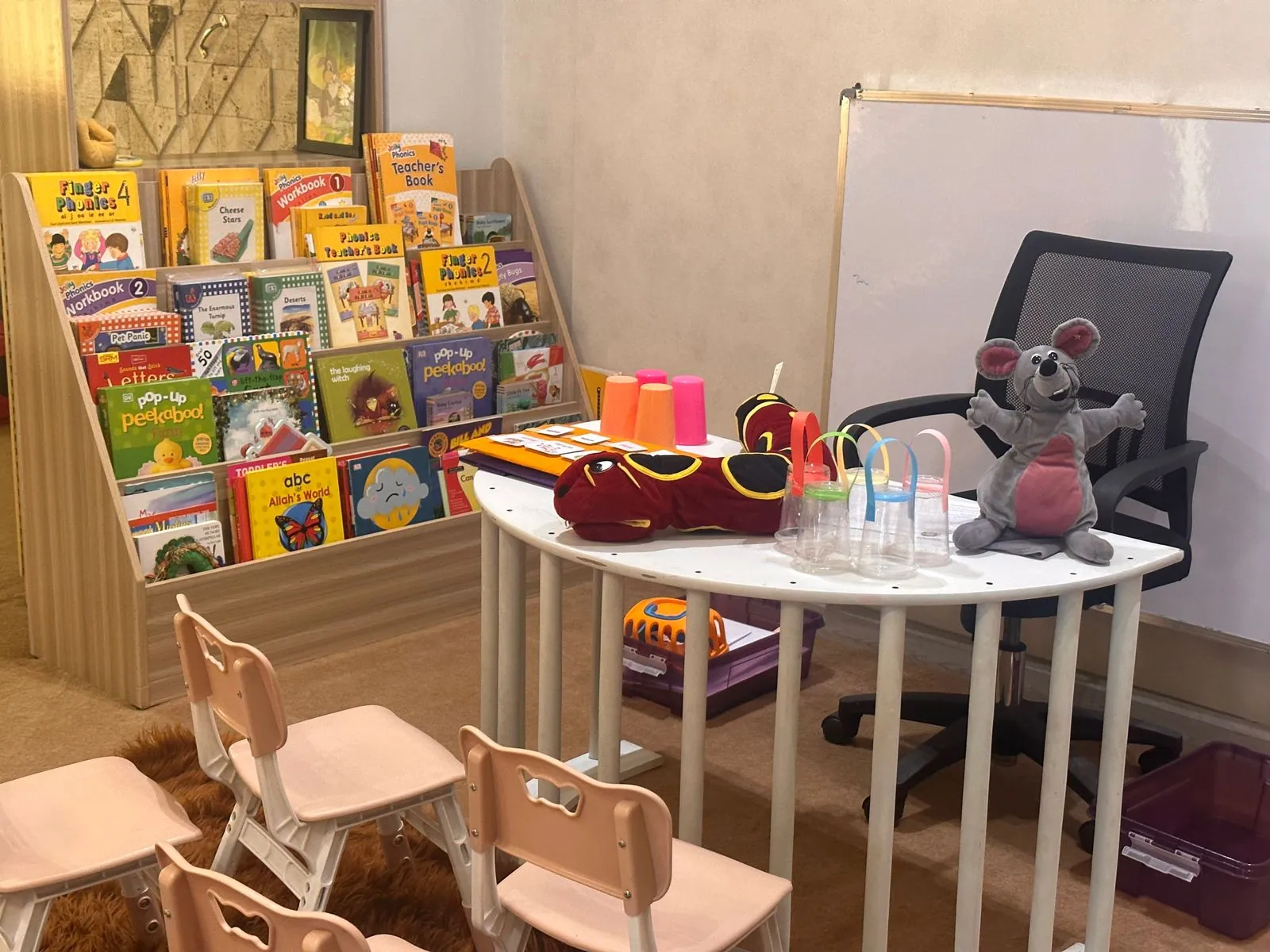
At Brain Lab School, we use these kinds of activities in a structured way to support complete brain development. Learning is not about pressure—it’s about the right experiences.
If you are worried about your child's speech, attention or movement, speak to your pediatrician first. To see these toddler activities in a classroom, read about our Infancy & Toddler Stage on Saturdays or the Early Preschool Stage, or try the Brain Lab Home Program kits.